How Tuckpointing Helps Prevent Structural Damage in Commercial Properties
Commercial tuckpointing helps prevent structural damage in commercial properties by restoring mortar joints, and local contractors can provide expert services to protect your building’s integrity.
If you own or manage a commercial property, understanding how tuckpointing helps prevent structural damage is essential for maintaining the integrity and value of the building. Over time, mortar joints can deteriorate due to weather exposure and age, creating vulnerabilities that may lead to cracks, water intrusion, and even more serious structural issues. Exploring this topic can provide practical insights into how proper maintenance and timely tuckpointing services by experienced local contractors can safeguard your investment and avoid costly repairs down the line.
Property owners in the area often seek out professional tuckpointing services to address these concerns proactively. Skilled service providers can assess the condition of brickwork, identify areas at risk, and perform the necessary repairs to reinforce the building’s structure. Learning more about how tuckpointing contributes to long-term stability can help property owners make informed decisions about maintaining their commercial properties, ensuring they remain safe, sound, and visually appealing for years to come.
- Commercial building facades - when signs of mortar deterioration appear, local contractors can perform tuckpointing to reinforce structural integrity.
- Brick and stone exteriors - if cracks or crumbling mortar are noticed, service providers can restore joints to prevent water intrusion and damage.
- Historic commercial properties - preservation specialists can handle tuckpointing to maintain the building’s stability while preserving its appearance.
- Newly constructed commercial structures - early tuckpointing services can ensure the mortar remains durable against environmental stresses.
- Buildings with visible mortar erosion - local pros can address deterioration to help prevent further structural issues and costly repairs.
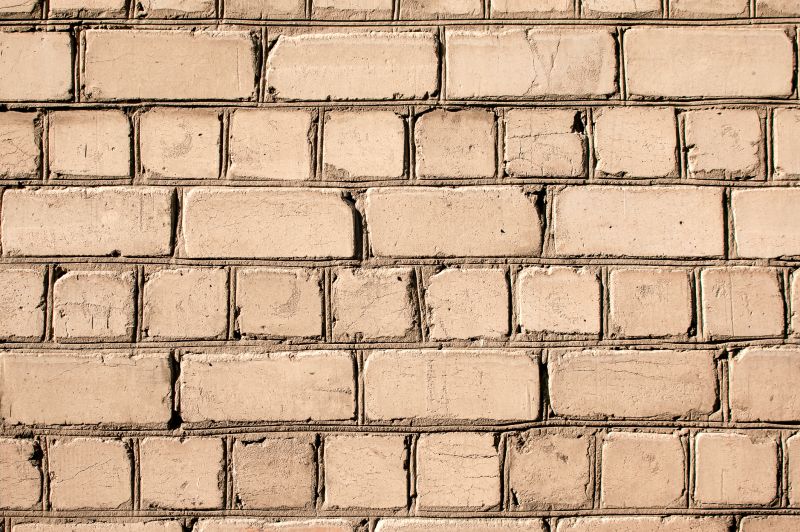
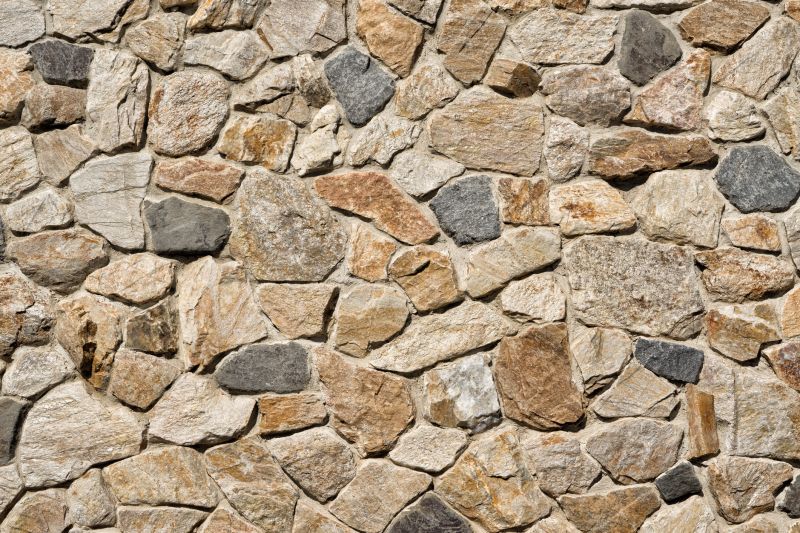
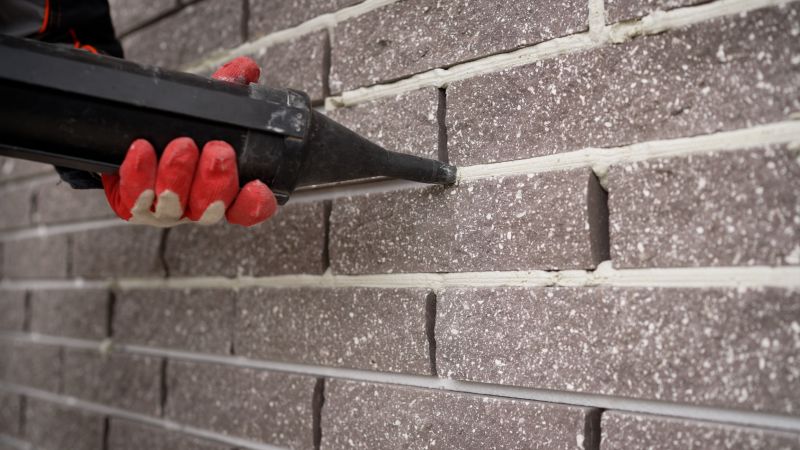
When people search for how tuckpointing helps prevent structural damage in commercial properties, they are often interested in understanding how this specific masonry repair technique can protect their buildings over time. Typically, these searches stem from concerns about the integrity of exterior walls, especially in older or weather-exposed structures. Property owners and managers may notice signs like cracked mortar joints, crumbling brickwork, or water infiltration, prompting them to seek solutions that reinforce the building’s stability. The goal is to find effective ways to address existing issues before they develop into costly repairs or safety hazards, making tuckpointing a common consideration in ongoing property maintenance plans.
This topic is closely related to problems such as mortar deterioration, water infiltration, and structural weakening. Over time, mortar joints can erode due to exposure to weather elements, leading to gaps that allow moisture to penetrate the building’s walls. This moisture can cause further damage, including brick spalling, mold growth, and even foundational issues if left unaddressed. Tuckpointing involves removing compromised mortar and replacing it with fresh material, which helps seal the wall and prevents water from seeping inside. Many property owners also plan tuckpointing projects as part of larger renovation efforts to improve the appearance and longevity of their buildings, especially in commercial settings where maintaining a professional image is important.
Commercial properties that typically come up in these discussions include office buildings, retail centers, warehouses, and multi-unit apartment complexes. These structures often feature masonry exteriors that are exposed to constant weathering and require regular maintenance to preserve their structural integrity. Older buildings, in particular, are more prone to mortar decay, making tuckpointing a vital step in preserving their stability. Additionally, new construction projects may incorporate tuckpointing during initial phases to ensure the longevity of the masonry work. Local contractors specializing in commercial tuckpointing understand the unique needs of these property types and can tailor their services to address specific issues related to each structure’s design and age.
For property owners considering tuckpointing, understanding how local service providers fit into the process is key. These professionals bring experience in assessing the condition of masonry walls, identifying areas at risk of damage, and performing repairs that help prevent more serious structural problems. They use specialized techniques to carefully remove damaged mortar and replace it with durable, weather-resistant material. By addressing issues early through tuckpointing, property owners can extend the lifespan of their commercial buildings and avoid costly repairs down the line. Connecting with experienced local contractors ensures that the work is performed correctly and efficiently, helping to maintain the safety, appearance, and value of the property over time.
Masonry Repair - Skilled contractors in masonry repair utilize similar tools and techniques as tuckpointing to restore brick and stone structures, helping prevent further structural damage.
Brick Restoration - Professionals specializing in brick restoration focus on preserving and strengthening exterior walls, which complements the goals of tuckpointing in maintaining building integrity.
Facade Restoration - This type of project involves repairing and restoring building facades, requiring planning and skills comparable to those used in tuckpointing to prevent deterioration.
Mortar Joint Repointing - Repointing involves removing damaged mortar and applying fresh mortar, a process closely related to tuckpointing aimed at preventing water intrusion and structural issues.
Structural Reinforcement - Contractors offering structural reinforcement work often handle masonry elements, ensuring the stability of commercial properties through similar skill sets.
Stone Veneer Installation - Installing stone veneers requires precise masonry skills akin to tuckpointing, contributing to the durability and appearance of exterior surfaces.
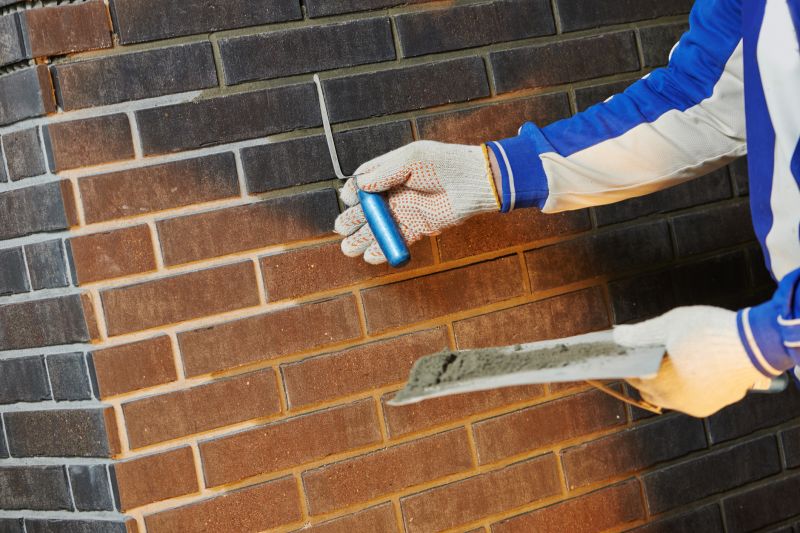
When comparing commercial tuckpointing service providers, it is important to consider their experience with similar projects. Contractors who have a proven track record working on commercial properties are more likely to understand the specific challenges involved in maintaining structural integrity through tuckpointing. Asking about their past work can help determine if they are familiar with the unique requirements of commercial buildings, such as larger surface areas or specific masonry types. An experienced contractor can also provide insights into how tuckpointing contributes to preventing structural damage, ensuring that the project will be handled with the necessary expertise.
Clear written expectations are essential when evaluating potential service providers. A reputable contractor should be able to provide a detailed scope of work, outlining what will be done, the materials to be used, and the expected outcomes. This transparency helps ensure that both parties are aligned on the goals of the project, particularly how tuckpointing can help maintain the building’s stability and prevent future damage. Well-defined expectations also minimize misunderstandings and provide a basis for accountability, making it easier to assess whether a contractor’s approach aligns with the needs of the property.
Reputable references and strong communication are key indicators of a reliable commercial tuckpointing service provider. Speaking with previous clients or reviewing case studies can offer insights into the contractor’s professionalism, quality of work, and ability to meet deadlines. Good communication throughout the project is vital for addressing concerns promptly and ensuring that the work aligns with the property owner’s expectations. Service providers who maintain open lines of communication and can demonstrate a history of satisfied clients are more likely to deliver results that support the ongoing structural health of commercial buildings through effective tuckpointing.
Property owners often search for how tuckpointing helps prevent structural damage in commercial properties when they are planning practical projects around their homes and businesses. Local pros provide Commercial Tuckpointing services for everyday jobs and straightforward project options.
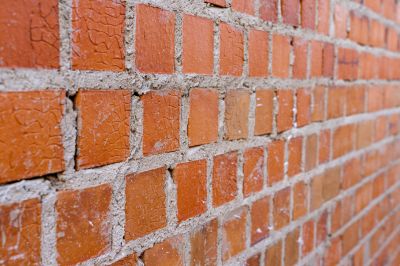
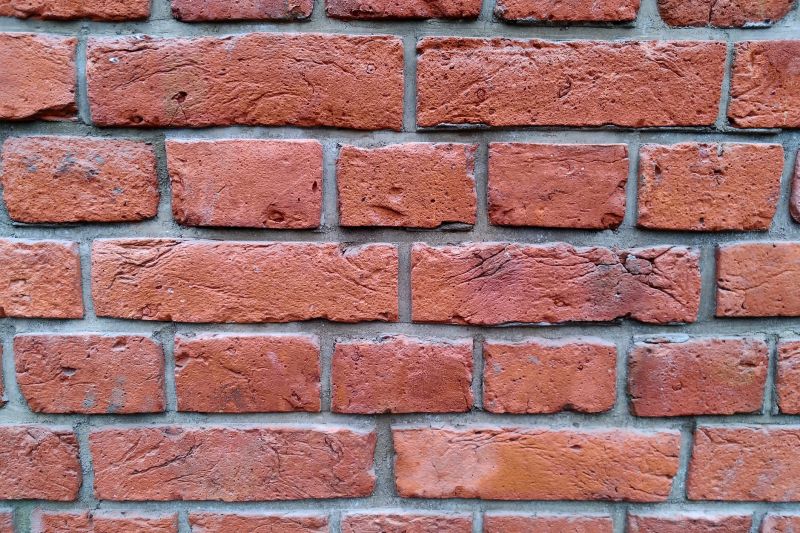
For property owners managing commercial buildings, understanding how tuckpointing helps prevent structural damage in commercial properties is essential for maintaining the integrity of their investments. Over time, mortar joints can deteriorate due to weather exposure and general wear, creating vulnerabilities that allow water infiltration and weaken the overall structure. When water seeps into cracks or gaps, it can lead to issues such as brick spalling or even foundational problems. Local contractors who specialize in tuckpointing can assess these risks and perform repairs that restore the mortar’s strength, helping to prevent costly damage down the line.
Many property owners seek out commercial tuckpointing services as a proactive step to safeguard their buildings. Regular maintenance and timely repairs by experienced service providers can effectively seal joints and eliminate entry points for moisture and pests. This not only preserves the appearance of the property but also supports its stability and safety. Connecting with local pros who understand the specific needs of commercial structures can ensure that tuckpointing work is done properly, contributing to the long-term durability of the property and reducing the likelihood of major repairs in the future.
How does tuckpointing help prevent structural damage in commercial properties? Tuckpointing reinforces brickwork by filling in cracks and deteriorated mortar joints, which helps prevent water infiltration and structural weakening over time.
Why is proper tuckpointing important for maintaining a commercial property's stability? Proper tuckpointing ensures the integrity of the masonry by preventing moisture intrusion and reducing the risk of brick and mortar deterioration that can compromise building stability.
Can tuckpointing address existing damage to a commercial building's brickwork? Yes, experienced contractors can repair and restore damaged mortar joints through tuckpointing, helping to prevent further deterioration and potential structural issues.
How do local contractors ensure tuckpointing effectively protects a commercial property's structure? Local service providers use specialized techniques to ensure mortar joints are properly filled and sealed, which helps maintain the building’s structural integrity over time.
What role does tuckpointing play in long-term preservation of commercial masonry? Tuckpointing acts as a preventative measure by sealing joints and preventing water damage, thus extending the lifespan of the masonry and supporting the building’s overall stability.
Assessing brick and mortar integrity - Regular inspections can identify early signs of deterioration, allowing property owners to plan tuckpointing projects with local contractors before issues worsen.
Addressing mortar deterioration - Replacing crumbling or damaged mortar helps maintain the structural stability of exterior walls in commercial buildings.
Preventing water infiltration - Proper tuckpointing seals joints and prevents water from seeping into masonry, reducing the risk of freeze-thaw damage and internal deterioration.
Maintaining aesthetic and structural health - Keeping mortar joints in good condition preserves the building’s appearance and supports the overall integrity of the structure.
If you are thinking about how tuckpointing helps prevent structural damage in commercial properties for a property, this guide is meant to help you understand this topic, the typical project types, and how different options might fit your plans.
When you are ready, you can use the quote form on this page to share a few details about your project. From there, local pros can review the basics and follow up with options that match what you have in mind.