Compare Local Contractors for Brick Repointing Services
Compare local contractors for brick repointing to define scope, verify experience, and set clear expectations for a successful project.
Brick repointing services typically involve the repair and restoration of the mortar joints between bricks on a building’s exterior. This process includes removing deteriorated or damaged mortar and replacing it with fresh material that matches the original in appearance and composition. Proper repointing not only enhances the aesthetic appeal of a structure but also helps prevent water infiltration, which can lead to further damage to the brickwork and underlying structures. Contractors specializing in this work often assess the condition of existing mortar, determine the appropriate materials to use, and carefully execute the removal and replacement process to preserve the integrity of the brick facade.
Defining the scope of a brick repointing project is essential for setting clear expectations and ensuring the work addresses specific needs. A detailed scope outlines the areas to be repaired, the extent of mortar removal, the type of replacement mortar, and any additional repairs or preparations required. Clarifying these details helps property owners and contractors align their understanding of the project, reduces the risk of misunderstandings, and provides a basis for evaluating proposals. Having a well-defined scope also makes it easier to document work in writing, which can be valuable for future reference or if issues arise later on.
When comparing local contractors for brick repointing, property owners should consider experience, reputation, and the range of services offered. Verifying how long a contractor has been working in the area and their familiarity with local building styles can provide insight into their expertise. It’s also helpful to review any available references or project portfolios to assess the quality of previous work. Additionally, obtaining detailed written proposals that specify the scope of work, materials, and methods allows for an objective comparison between service providers. This approach helps ensure that property owners select a contractor capable of meeting their specific needs with a clear understanding of what the project entails.
Compare local contractors by outlining project priorities, verifying experience, and documenting clear scope and expectations.
- Compare Contractor Experience - Review the background and project history of local contractors to ensure relevant expertise.
- Define Project Scope - Clearly outline the work needed to set accurate expectations for the repointing service.
- Verify Credentials - Confirm the qualifications and references of service providers to assess reliability.
- Document Agreements in Writing - Ensure all project details and expectations are recorded to prevent misunderstandings.
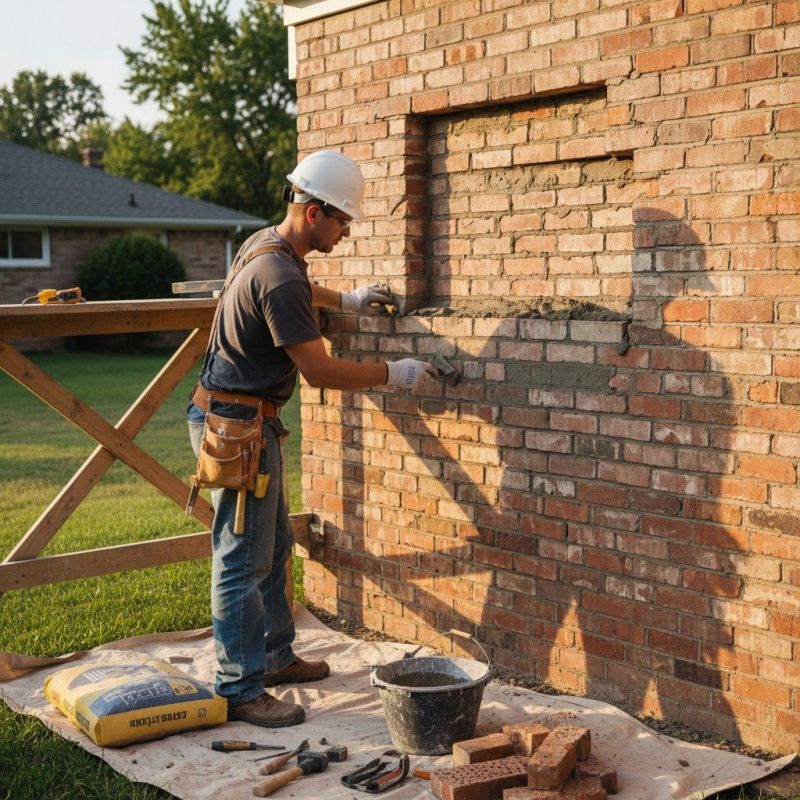
Clearly describe your brick repointing project to effectively compare local contractors, verify experience, and set expectations in writing.
- Verify the experience of service providers in brick repointing projects similar to the scope needed. - Ensure contractors clearly outline the extent of work included in their scope of services.
- Compare the qualifications and reputation of local contractors through reviews or references. - Look for consistent positive feedback and verified project histories.
- Discuss and document the specific materials and methods to be used for repointing. - Clear communication helps set expectations and prevents misunderstandings.
- Check whether contractors provide detailed written estimates that specify the work to be performed. - Written scope of work helps ensure all parties agree on project details.
- Assess the availability of local service providers experienced in working with brick types similar to your project. - Local contractors familiar with your brick style can deliver better results.
- Ensure there is a clear process for addressing questions or concerns during the project. - Effective communication channels contribute to a smooth repointing process.
Compare local contractors' experience and clarify project scope to ensure smooth brick repointing results.




Use clear scope definitions and verify experience to ensure consistent comparisons among local contractors for brick repointing.
- Define scope of work - specify the areas and extent of brick repointing needed to ensure clarity.
- Verify experience - confirm that service providers have relevant experience with brick repointing projects.
- Assess credentials - review the qualifications and references of local contractors to gauge their expertise.
- Establish expectations in writing - document the project scope, materials, and standards to prevent misunderstandings.
- Compare multiple service providers - evaluate different local contractors based on their experience, scope, and proposed approaches.
When evaluating contractors for brick repointing services, it is important to consider their experience with similar projects. Homeowners should inquire about the types of buildings or structures a contractor has worked on, especially those comparable in size, style, or age to their own property. A contractor with relevant experience is more likely to understand the specific techniques and challenges involved, leading to a more successful outcome. Reviewing a contractor’s portfolio or asking for references related to past brick repointing projects can provide insight into their familiarity with the work and their ability to handle the unique aspects of each job.
Having a clear, written scope of work is essential when comparing service providers. A detailed description of the tasks involved-such as cleaning, mortar matching, repointing techniques, and areas to be addressed-helps ensure all parties share the same expectations. Homeowners should seek contractors who can provide a comprehensive scope that outlines each step of the process, including materials to be used and the extent of the work. This clarity not only aids in understanding what will be done but also serves as a reference point for evaluating proposals and ensuring consistency across different contractors.
Verification basics are key to assessing the reliability of local contractors. Homeowners should verify that a contractor has a consistent track record of completing brick repointing projects successfully. This can be done by requesting references, reviewing project histories, or checking for any relevant credentials or memberships in professional associations. Confirming that a contractor has the appropriate experience and a history of quality work helps reduce the risk of issues arising during or after the project. Additionally, understanding their familiarity with local building conditions and materials can contribute to a more accurate assessment of their capabilities.
When comparing options, it is helpful to evaluate how well each contractor’s proposal addresses the scope of work and their approach to the project. Homeowners should look for detailed descriptions of the methods and materials they plan to use, as well as any warranties or guarantees offered. Asking contractors to explain their process and how they plan to handle potential challenges can provide insight into their professionalism and preparedness. Focusing on the clarity of communication, thoroughness of the scope, and demonstrated experience allows homeowners to make informed decisions without relying on price alone, ensuring the selection of a service provider capable of delivering quality brick repointing work.
Ask contractors to provide written scope details to ensure clear expectations and consistent project understanding.
- Experience and Expertise - What specific experience do local contractors have with brick repointing projects similar to yours?
- Scope of Services - How do contractors define and clarify the scope of work included in their brick repointing services?
- Materials and Techniques - What materials and repointing techniques do local service providers typically use, and how do they differ?
- Project Expectations - How do contractors communicate project expectations and deliverables in writing before work begins?
- Comparison Criteria - What factors should be considered when comparing different local contractors’ approaches to brick repointing?
How can I compare brick repointing contractors effectively? Look for local service providers with verified experience, clear scope definitions, and written agreements to ensure expectations are aligned.
What should I consider when defining the scope of a brick repointing project? Clearly outline the areas to be repaired, the extent of work needed, and any specific materials or techniques preferred to help contractors understand the job.
How do I verify a contractor’s experience in brick repointing? Request details about their past projects, ask for references, and review any available work samples to assess their expertise and quality of work.
Why is it important to have the scope and expectations in writing? Written documentation helps prevent misunderstandings, provides a clear record of the agreed-upon work, and offers a basis for resolving any disputes.
What questions should I ask a contractor before hiring for brick repointing? Inquire about their experience, methods used, materials, warranties, and how they handle unexpected issues during the project.
How can I ensure the contractor is suitable for my brick repointing needs? Compare their experience, reviews, scope of work, and communication approach to find a service provider that aligns with the project's requirements.
Understanding the key aspects of choosing a contractor for brick repointing can help ensure the project meets expectations. Visitors learned how to define the scope of work clearly, verify the experience of service providers, and set expectations in writing to promote transparency throughout the process. Comparing local contractors through a structured approach can make it easier to find the right match for specific needs.
Using the quote form allows for straightforward comparison of nearby service providers who can handle brick repointing projects. This step enables visitors to gather information, assess options, and make informed decisions based on their criteria. Connecting with experienced local contractors through this process supports a smooth and well-understood project experience.